5 Days Marangu Route Join Group 2026–2027 | 6, 7 Days
Join a Kilimanjaro 5 Days Marangu group climb in 2026–2027. Explore 6,7 and 8 day itineraries, prices, departure dates and expert guided trekking packages.
5 Days Marangu Route Join Group 2026–2027 – Kilimanjaro Group Climbing Packages
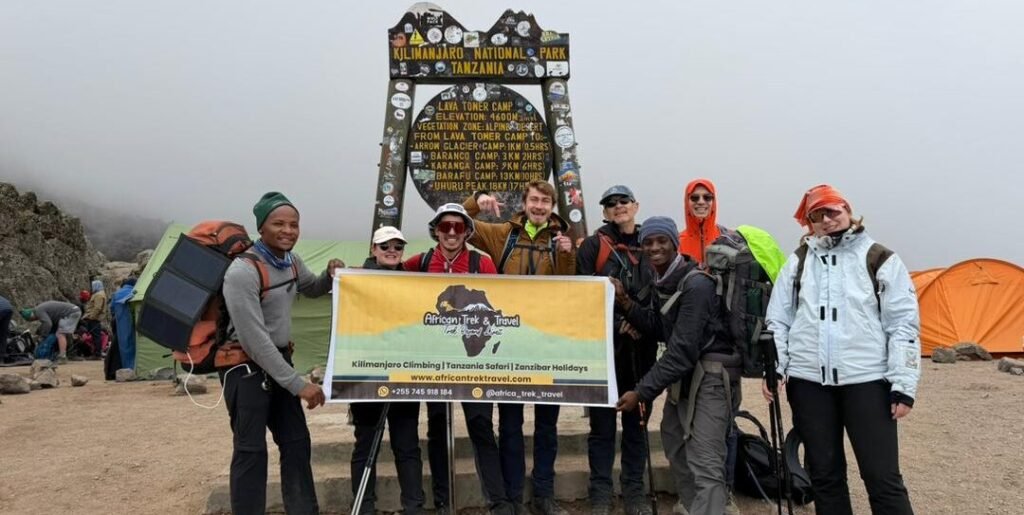
Embark on an unforgettable adventure to Africa’s highest mountain with our 5 Days Marangu Route Join Group 2026–2027 packages. Designed for physically prepared travelers seeking a shorter Kilimanjaro expedition, this five-day group climb follows the classic Marangu Route toward Uhuru Peak at 5,895 meters. Join fellow adventurers from around the world and experience the beauty of Mount Kilimanjaro with professional local mountain guides, organized trekking services, and shared mountain hut accommodation.
The five-day Marangu Route, widely known as the Coca-Cola Route, is the shortest standard summit trekking itinerary on Mount Kilimanjaro. Beginning at Marangu Gate, the trail passes through beautiful tropical rainforest, scenic moorland, the expansive alpine desert between Mawenzi and Kibo, and the challenging summit slopes. Unlike the six-day Marangu Route, this itinerary does not include an additional acclimatization day at Horombo Hut, making it a more demanding option that requires careful consideration of fitness, previous altitude experience, and individual health.
At African Trek & Travel, we organize Kilimanjaro Marangu joining groups with experienced Tanzanian mountain guides, professional porters, dedicated mountain cooks, organized mountain hut accommodation, and essential trekking support. Our five-day Marangu group climbing packages welcome solo travelers, couples, friends, and small groups looking to share a professionally guided adventure. Although the itinerary is shorter, our focus remains on responsible mountain operations, clear travel preparation, and the safety of every participant.
5 Days Marangu Route Kilimanjaro Group Climb Overview
Our five-day Marangu Route group climbing package follows the southeastern approach to Mount Kilimanjaro, using established mountain huts and the same general trail for both ascent and descent.
The itinerary includes four nights in shared mountain huts, professional guiding, mountain meals, porter support, and the essential services required for an organized Kilimanjaro expedition.
| Climbing Information | Details |
|---|---|
| Tour Name | 5 Days Marangu Route Join Group |
| Destination | Mount Kilimanjaro, Tanzania |
| Trekking Duration | 5 Days / 4 Nights |
| Maximum Altitude | 5,895 meters |
| Starting Point | Marangu Gate |
| Ending Point | Marangu Gate |
| Route Nickname | Coca-Cola Route |
| Accommodation | Shared Mountain Huts |
| Mountain Huts | Mandara, Horombo and Kibo |
| Trekking Difficulty | Challenging |
| Acclimatization | Limited; no dedicated extra day |
| Group Type | International Group Joining |
| Best Suited For | Fit, experienced or previously acclimatized trekkers |
| Summit Route | Kibo Hut via Gilman’s Point |
| Indicative Starting Price | From USD 1,200 per person |
| Mountain Support | Professional Guides, Cook and Porters |
| Tour Operator | African Trek & Travel |
The five-day Marangu Route is particularly attractive to travelers who prefer hut accommodation and have limited time for a mountain expedition.
However, the shorter trekking schedule provides less time to adjust to high altitude, increasing the importance of choosing an appropriate itinerary.
For most first-time Kilimanjaro climbers, we generally recommend the six-day Marangu Route or a longer Kilimanjaro climbing itinerary.
Why Join Our 5 Days Marangu Route Kilimanjaro Group?
Joining a five-day Marangu Route group provides an opportunity to experience Mount Kilimanjaro while sharing expedition logistics and mountain support services with fellow climbers.
The group joining format brings together participants who follow the same itinerary, supported by professional mountain guides, experienced porters, and a dedicated cooking team.
Unlike camping-based Kilimanjaro routes, Marangu uses permanent mountain huts, offering a different trekking experience for visitors who prefer basic indoor sleeping accommodation.
Benefits of Our 5 Days Marangu Route Joining Groups
Affordable Kilimanjaro climbing packages: Share certain expedition expenses with other climbers while receiving professional mountain guiding and organized trekking services.
Ideal for independent travelers: Solo travelers can inquire about joining existing groups without needing to organize a completely private expedition.
Five-day trekking itinerary: Complete the standard Marangu summit itinerary in five trekking days, an option for fit travelers with limited holiday time.
Mountain hut accommodation: Stay in established huts at Mandara, Horombo, and Kibo instead of camping in mountain tents.
Experienced local mountain guides: Climb with licensed Tanzanian guides familiar with Kilimanjaro’s mountain trails, weather conditions, and altitude-related challenges.
Beautiful mountain landscapes: Experience tropical rainforest, scenic moorland, dramatic volcanic terrain, the Saddle between Mawenzi and Kibo, and the summit environment.
International climbing companions: Meet travelers from different countries and share the experience of climbing Africa’s highest mountain.
Professional mountain support: Benefit from porter assistance, meals prepared by mountain cooks, organized accommodation, and guidance throughout the expedition.
Established trekking trail: Follow the classic Marangu Route, with designated mountain huts and a well-known ascent and descent corridor.
A rewarding physical challenge: Experience a demanding high-altitude expedition that requires endurance, determination, and appropriate preparation.
Our goal is to provide a professionally organized Kilimanjaro group climbing experience while helping every traveler understand the advantages, limitations, and safety considerations of the five-day itinerary.
5 Days Marangu Route Join Group Prices 2026–2027
African Trek & Travel offers Kilimanjaro Marangu Route climbing packages for solo travelers, couples, and small groups interested in a guided mountain expedition.
Our five-day package is designed to include essential mountain services such as professional guides, porters, meals, hut accommodation, applicable national park fees, and organized transportation.
| Package | Duration | Indicative Price Per Person |
|---|---|---|
| 5 Days Marangu Route Joining Group | 5 Days / 4 Nights | From USD 1,200 |
| 6 Days Marangu Route Joining Group | 6 Days / 5 Nights | From USD 1,500 |
| Private 5 Days Marangu Route | 5 Days / 4 Nights | Request Quotation |
| Private 6 Days Marangu Route | 6 Days / 5 Nights | Request Quotation |
Prices are indicative and subject to confirmation. The final cost depends on package inclusions, group arrangements, park fees, and the confirmed quotation.
What Is Included in the Five-Day Marangu Group Price?
Our standard group climbing package generally covers essential expedition expenses, including national park charges, shared mountain hut accommodation, professional mountain guides, porter services, meals during the climb, treated drinking water, and transportation between Moshi and Marangu Gate.
The exact package services will be explained in your booking quotation.
Why Join a Marangu Route Group Instead of Booking Privately?
A joining group allows participants to share certain expedition costs and enjoy a supported mountain adventure alongside other climbers.
This arrangement may be more affordable than a comparable private climb, especially for solo travelers.
A private expedition can offer greater flexibility with the group composition and itinerary planning, but it does not eliminate altitude-related risks.
Who Should Consider the Five-Day Marangu Route?
The five-day Marangu expedition may be appropriate for travelers who:
- Have strong physical fitness and trekking endurance.
- Have previous experience with multi-day mountain hiking.
- Are comfortable with long ascents and descents.
- Understand the limitations of rapid altitude gain.
- Prefer shared mountain hut accommodation.
- Have limited time for their Kilimanjaro expedition.
- Want to join other international climbers.
- Have discussed their altitude-related risks with an appropriate healthcare professional.
For climbers who are not previously acclimatized, the five-day itinerary is less advisable because of the limited time available for altitude adjustment.
Detailed 5 Days Marangu Route Kilimanjaro Group Climbing Itinerary
The five-day Marangu Route follows the classic southeastern approach to Mount Kilimanjaro, beginning at Marangu Gate and ascending through rainforest, moorland, and alpine desert before reaching Kibo Hut.
The summit attempt normally takes place on Day 4, followed by a long descent to Horombo Hut. The final day returns to Marangu Gate.
Unlike the six-day Marangu Route, this itinerary does not include a dedicated acclimatization day or a second consecutive night at Horombo Hut before the summit attempt.
Day 1: Moshi – Marangu Gate – Mandara Hut
Starting altitude: Approximately 1,860 meters
Overnight altitude: Approximately 2,700–2,740 meters
Hiking distance: Approximately 8 kilometers
Hiking duration: 4–5 hours
Vegetation zone: Montane Rainforest
Your Kilimanjaro Marangu Route group adventure begins with breakfast at your hotel in Moshi, followed by a meeting with your mountain guide and fellow climbers.
After the briefing, travel toward Marangu Gate, located on the southeastern side of Mount Kilimanjaro.
At the gate, your mountain team completes the national park registration procedures, organizes expedition equipment, and prepares for the beginning of the trek.
The trail enters a beautiful tropical rainforest filled with tall trees, thick vegetation, ferns, and a wide variety of birdlife.
The environment is lush and green, offering an enjoyable introduction to Kilimanjaro’s diverse natural landscape.
Climbers may have opportunities to observe black and white colobus monkeys and other forest wildlife along the route.
The trail gradually ascends through the rainforest, with some sections becoming muddy or slippery following rainfall.
Your professional mountain guides will maintain a suitable walking pace and provide assistance when necessary.
After several hours of trekking, arrive at Mandara Hut, where the group will spend its first night on the mountain.
Depending on arrival time, weather conditions, and the group’s energy levels, an optional short walk toward Maundi Crater may be arranged.
Enjoy dinner prepared by the mountain cooking team and settle into your shared hut accommodation.
This first trekking day provides an introduction to the mountain environment and allows the group to begin adjusting to the increased altitude.
Accommodation: Mandara Hut
Meals: Lunch and Dinner
Day 2: Mandara Hut – Horombo Hut
Starting altitude: Approximately 2,720 meters
Overnight altitude: Approximately 3,720 meters
Hiking distance: Approximately 11–12 kilometers
Hiking duration: 5–7 hours
Vegetation zone: Moorland and Heath
After breakfast, leave Mandara Hut and continue ascending toward Horombo Hut.
The trail gradually emerges from the tropical rainforest and enters Kilimanjaro’s open moorland vegetation zone.
As the dense forest disappears, the landscape changes to giant heather, grasses, volcanic rocks, and distinctive mountain plants.
The open terrain provides beautiful views of the surrounding landscape.
Weather permitting, climbers may enjoy spectacular views of Mawenzi Peak and Kibo, the mountain’s highest volcanic cone.
The route gradually gains altitude, and the thinner air can make walking more demanding than on the previous day.
Your mountain guides will encourage a manageable walking pace and monitor the group’s health throughout the ascent.
Continue toward Horombo Hut, located at approximately 3,720 meters above sea level.
Upon arrival, enjoy lunch or refreshments and settle into your mountain hut accommodation.
The elevation gain from Mandara to Horombo makes this an important stage for monitoring altitude-related symptoms.
Your guides will conduct health checks and provide information about the following day’s climb toward Kibo Hut.
Unlike the six-day Marangu itinerary, the five-day route does not include a full acclimatization day at Horombo before continuing higher.
Climbers should rest and report any symptoms of altitude sickness.
Accommodation: Horombo Hut
Meals: Breakfast, Lunch and Dinner
Day 3: Horombo Hut – Kibo Hut
Starting altitude: Approximately 3,720 meters
Overnight altitude: Approximately 4,700–4,720 meters
Hiking distance: Approximately 9–10 kilometers
Hiking duration: 5–7 hours
Vegetation zone: Alpine Desert
After breakfast, leave Horombo Hut and begin the ascent toward Kibo Hut, the final overnight stop before the summit attempt.
The route gradually passes out of the moorland zone and enters the alpine desert.
One of the most impressive features of today’s trek is the Saddle, a broad and exposed volcanic landscape between Mawenzi and Kibo.
The terrain becomes increasingly rocky, barren, and dramatic as the group climbs higher.
Vegetation becomes scarce, and the mountain environment begins to feel more remote and demanding.
As altitude increases, reduced oxygen availability can make hiking more difficult.
Your mountain guides will encourage slow walking and monitor individual health as the group approaches Kibo Hut.
Upon reaching Kibo Hut at approximately 4,700 meters, enjoy a meal and organize your summit equipment.
The environment is cold and exposed, and climbers should wear appropriate warm clothing.
Your guides will conduct a detailed briefing covering summit conditions, headlamps, warm layers, hydration, walking pace, emergency procedures, and the planned departure time.
Because the summit attempt normally begins around midnight, the group will have only a limited period for resting at Kibo Hut.
This is one of the most important differences between the five-day itinerary and routes with more gradual altitude gain.
Climbers experiencing significant altitude-related symptoms must inform their guides immediately.
Accommodation: Kibo Hut
Meals: Breakfast, Lunch and Dinner
Day 4: Kibo Hut – Gilman’s Point – Uhuru Peak – Horombo Hut
Starting altitude: Approximately 4,700 meters
Highest altitude: 5,895 meters at Uhuru Peak
Overnight altitude: Approximately 3,720 meters
Hiking distance: Approximately 20–22 kilometers
Hiking duration: 12–16 hours or longer
Vegetation zone: Arctic Summit Zone and Alpine Desert
Today is the most physically demanding and memorable stage of your five-day Marangu Route expedition.
The summit attempt normally begins around midnight, when the group leaves Kibo Hut and starts climbing toward Kilimanjaro’s crater rim.
Using headlamps, your professional mountain guides will lead climbers slowly across steep volcanic terrain.
The trail passes toward Hans Meyer Cave before continuing up the challenging slopes of Kibo.
The combination of freezing temperatures, steep gradients, loose volcanic material, and reduced oxygen availability makes this section particularly demanding.
As the group gradually ascends, the guides will monitor climbers for signs of exhaustion and altitude-related illness.
The trail continues toward Gilman’s Point, situated at approximately 5,685 meters on the crater rim.
Reaching Gilman’s Point is a significant achievement and provides impressive views of Kilimanjaro’s summit region when weather conditions allow.
Climbers who are fit and well enough to continue will proceed along the crater rim toward Stella Point and Uhuru Peak.
At 5,895 meters above sea level, Uhuru Peak is the highest point on Mount Kilimanjaro and the African continent.
Reaching the summit is an extraordinary personal achievement and a memorable highlight of any mountain adventure.
Weather and individual health permitting, climbers can take photographs and appreciate the summit scenery before beginning the descent.
Because of the extreme altitude, time spent at the summit is normally limited.
The group descends toward Kibo Hut for a short rest before continuing downhill to Horombo Hut.
The descent can be long and tiring, especially after the demanding nighttime ascent.
Throughout the journey, mountain guides will prioritize individual health and safe descent procedures.
Upon arriving at Horombo Hut, enjoy dinner and your final night on Kilimanjaro.
Accommodation: Horombo Hut
Meals: Breakfast, Lunch and Dinner
Day 5: Horombo Hut – Mandara Hut – Marangu Gate – Moshi
Starting altitude: Approximately 3,720 meters
Finishing altitude: Approximately 1,860 meters
Hiking distance: Approximately 20 kilometers
Hiking duration: 5–7 hours
Vegetation zone: Moorland and Montane Rainforest
After breakfast, begin your final descent from Horombo Hut toward Marangu Gate.
The trail follows the established Marangu Route, gradually descending through the open moorland vegetation zone.
Enjoy the mountain scenery as the group passes through landscapes that were previously crossed during the ascent.
The route continues toward Mandara Hut, where a short rest or lunch break may be arranged depending on the trekking schedule.
From Mandara, descend through the beautiful tropical rainforest toward Marangu Gate.
The air becomes warmer and richer in oxygen as the group returns to lower altitude.
The rainforest offers a peaceful conclusion to your Kilimanjaro adventure, with opportunities to observe birds and beautiful vegetation.
Upon reaching Marangu Gate, complete the national park exit procedures and receive your Kilimanjaro climbing certificate if you reached a qualifying summit point.
Your transfer vehicle will take you back to Moshi, where you can relax, enjoy a shower, and celebrate your mountain expedition.
This marks the end of your 5 Days Marangu Route group climbing adventure with African Trek & Travel.
Meals: Breakfast and Lunch, according to the confirmed package
5 Days Marangu Route Itinerary Summary
| Day | Trekking Route | Overnight Altitude |
|---|---|---|
| Day 1 | Marangu Gate to Mandara Hut | 2,700–2,740 m |
| Day 2 | Mandara Hut to Horombo Hut | 3,720 m |
| Day 3 | Horombo Hut to Kibo Hut | 4,700–4,720 m |
| Day 4 | Kibo to Uhuru Peak, descend to Horombo Hut | 3,720 m |
| Day 5 | Horombo via Mandara to Marangu Gate | 1,860 m |
The five-day Marangu Route includes four nights in mountain huts and follows the same general trail for both ascent and descent.
The summit attempt normally begins during the night after Day 3, with the climb toward Uhuru Peak and the descent to Horombo taking place on Day 4.
All distances, elevations, and walking times are approximate and may vary according to weather, individual fitness, trail conditions, and mountain guide assessments.
5 Days vs 6 Days Marangu Route – Which Is Better?
Both itineraries follow the classic Marangu Route, use shared mountain hut accommodation, and approach the summit from Kibo Hut.
The main difference is the additional acclimatization day included in the six-day itinerary.
| Feature | 5 Days Marangu | 6 Days Marangu |
|---|---|---|
| Trekking duration | 5 Days | 6 Days |
| Mountain nights | 4 Nights | 5 Nights |
| Accommodation | Mountain Huts | Mountain Huts |
| Extra acclimatization day | No | Yes |
| Zebra Rocks acclimatization hike | Not normally included | Included |
| Consecutive nights at Horombo before Kibo | 1 | 2 |
| Summit attempt | Day 4 | Day 5 |
| Maximum altitude | 5,895 m | 5,895 m |
| Acclimatization opportunity | Limited | Better |
| Overall schedule | Faster | More gradual |
| Preferred option | For carefully selected, prepared trekkers | Recommended of the two |
Why Choose the 5 Days Marangu Route?
The five-day option may appeal to travelers who have very limited time and understand the physical and altitude-related demands of a compressed Kilimanjaro itinerary.
It offers the shortest standard Marangu summit expedition, with four nights of hut accommodation.
However, the reduced acclimatization time is a significant disadvantage, particularly for climbers who have not previously spent time at high altitude.
Why Is the 6 Days Marangu Route Recommended?
The six-day itinerary includes an additional night at Horombo Hut and a dedicated acclimatization walk toward Zebra Rocks.
This provides more time for adjusting to altitude before continuing to Kibo Hut.
For most travelers, we generally recommend the six-day Marangu Route instead of the five-day option.
Travelers with more flexibility may benefit from considering even longer Kilimanjaro climbing itineraries.
How Difficult Is the 5 Days Marangu Route?
The five-day Marangu Route is a challenging high-altitude expedition despite its reputation as one of Kilimanjaro’s more straightforward trekking trails.
The lower sections follow an established walking path, and the mountain huts provide basic indoor accommodation.
However, these features should not be confused with an easy summit climb.
The five-day itinerary involves rapid altitude gain, long trekking days, cold temperatures, and an exhausting nighttime summit attempt.
Major Challenges of the Five-Day Marangu Route
Rapid altitude gain: Climbers move from Marangu Gate to Kibo Hut in three trekking days, leaving limited time for the body to adapt.
Limited acclimatization: The itinerary does not include an extra acclimatization day at Horombo Hut.
Demanding summit terrain: The ascent from Kibo toward Gilman’s Point involves steep volcanic slopes and physically challenging conditions.
Low oxygen availability: At higher elevations, reduced oxygen availability increases the physical demands of walking.
Cold summit temperatures: Freezing temperatures, wind, snow, and rapidly changing weather can make the summit attempt difficult.
Long descent: After the summit attempt, climbers must continue descending to Horombo Hut, making Day 4 particularly demanding.
Good physical fitness is important, but it does not guarantee acclimatization or prevent altitude sickness.
We encourage travelers to consider their previous mountain experience, medical circumstances, and available time before choosing this itinerary.
Acclimatization on the 5 Days Marangu Route
Acclimatization is an important consideration for every Kilimanjaro climber, particularly those choosing a shorter itinerary.
As altitude increases, atmospheric pressure decreases and less oxygen becomes available to the body.
Climbing too quickly increases the risk of altitude-related illness.
The five-day Marangu Route follows a direct ascent schedule and does not include a separate acclimatization day.
Altitude Progression on the Five-Day Route
Mandara Hut – Approximately 2,720 meters: The first overnight stop introduces climbers to a higher mountain environment.
Horombo Hut – Approximately 3,720 meters: The group reaches a considerably higher sleeping altitude on the second trekking day.
Kibo Hut – Approximately 4,700 meters: Climbers continue to the final summit base after only one night at Horombo.
Uhuru Peak – 5,895 meters: The summit attempt reaches an extreme altitude where physical exertion becomes significantly more difficult.
Because this altitude gain happens over a short period, climbers should understand that the five-day Marangu itinerary carries greater acclimatization concerns than longer routes.
How Can Climbers Reduce Altitude-Related Risks?
The most effective approach is to choose an itinerary that allows more gradual ascent and adequate acclimatization.
Climbers should also communicate symptoms promptly, avoid unnecessary exertion, follow their guide’s instructions, and seek appropriate medical advice before departure.
Previously acclimatized travelers may be better prepared for a shorter trek, but prior altitude exposure does not guarantee safety.
No route or acclimatization strategy can eliminate the risk of altitude illness.
Marangu Route Mountain Hut Accommodation
One of the distinctive features of the Marangu Route is the use of established mountain huts instead of camping tents.
Climbers on our five-day itinerary sleep in shared mountain accommodation at Mandara, Horombo, and Kibo.
Mandara Hut – Approximately 2,720 Meters
Mandara Hut is the first overnight stop on the Marangu Route.
Located near the rainforest, the huts offer basic indoor sleeping facilities and an opportunity to rest after the first day of trekking.
Horombo Hut – Approximately 3,720 Meters
Horombo Hut is one of the most recognizable accommodation points on Kilimanjaro’s Marangu Route.
The five-day itinerary includes one night here during the ascent and another after descending from the summit attempt.
The surrounding area provides beautiful mountain scenery, with views of Mawenzi and Kibo when weather conditions allow.
Kibo Hut – Approximately 4,700 Meters
Kibo Hut is the final overnight stop before the summit attempt.
Located in the alpine desert, the hut provides basic sleeping accommodation in a cold, exposed mountain environment.
Climbers normally rest here before beginning the nighttime ascent toward Gilman’s Point.
What Facilities Are Available in Marangu Huts?
Marangu mountain huts generally provide shared sleeping arrangements with mattresses and basic communal facilities.
Climbers should not expect luxury accommodation, private bathrooms, hotel-style rooms, or reliable charging facilities.
A suitable sleeping bag and warm clothing remain essential, particularly at Kibo Hut.
What Is Included in Our 5 Days Marangu Route Group Climb?
Our standard five-day Marangu Route group climbing packages are designed to provide essential mountain services during the expedition.
Standard Mountain Services
- Kilimanjaro National Park entry fees
- Mountain hut accommodation fees
- Applicable park rescue fees
- Licensed professional mountain guides
- Assistant mountain guides according to group requirements
- Experienced mountain porters
- Professional mountain cook
- Four nights of shared mountain hut accommodation
- Basic mattresses in mountain huts
- Breakfast, lunch, and dinner during the trek
- Treated drinking water on the mountain
- Transportation from Moshi to Marangu Gate
- Return transportation from Marangu Gate to Moshi
- First aid supplies and emergency oxygen
- Pulse oximeter checks and daily health monitoring
- Pre-climb mountain briefing
- Equipment preparation guidance
- Professional mountain expedition organization
Hotel accommodation and airport transfers may also be included in selected packages. All confirmed inclusions will be clearly stated in the final quotation.
What Is Not Included?
Unless specifically included in your booking confirmation, the following expenses are separate:
- International flights to Tanzania
- Tanzania tourist visa fees
- Personal travel and high-altitude trekking insurance
- Personal hiking clothing and equipment
- Sleeping bag and optional equipment rentals
- Tips for mountain guides, porters, and cooks
- Personal expenses and purchases
- Extra hotel nights and optional activities
- Tanzania safari or Zanzibar holiday extensions
- Expenses resulting from changes outside the agreed package
Best Time to Join a 5 Days Marangu Route Group
Mount Kilimanjaro can be climbed throughout the year, although seasonal weather conditions influence trekking comfort and mountain safety.
January to February
These months often provide relatively favorable climbing conditions, with opportunities for clear mountain views and comparatively dry weather.
Summit temperatures remain extremely cold, and snowfall can occur at higher elevations.
March
Early March may offer suitable trekking conditions, although rainfall generally becomes more likely as the month progresses.
Climbers should prepare for changes in visibility and trail conditions.
April to May
This is normally Kilimanjaro’s main rainy season.
Rainfall can make trails muddy and slippery, and weather conditions may become more challenging.
Travelers considering these months should discuss the expected conditions with their operator.
June to October
This is one of the most popular Kilimanjaro trekking periods.
Weather is often drier, with opportunities for clear mountain scenery, although summit temperatures can still be extremely cold.
November to December
Weather conditions can be more variable because of seasonal rainfall.
December remains a popular month for mountain adventures, including holiday-period climbs.
For travelers with flexible schedules, January, February, July, August, and September are attractive months to consider.
However, favorable weather does not remove the acclimatization limitations of the five-day Marangu Route.
Kilimanjaro 5 Days Marangu Route Safety and Altitude Management
Safety is a central consideration for every Kilimanjaro climbing expedition.
The five-day Marangu itinerary involves rapid ascent and limited acclimatization, making individual health assessment and responsible mountain decisions especially important.
Our professional mountain team supports climbers throughout the expedition, paying attention to walking pace, weather conditions, individual health, hydration, and symptoms of altitude-related illness.
Our Mountain Safety Procedures Include
- Daily health assessments by mountain guides
- Monitoring for symptoms of altitude sickness
- Pulse oximeter readings as part of health checks
- Emergency oxygen and first aid equipment
- Experienced mountain guides and assistant guides
- Appropriate descent procedures when a climber becomes unwell
- Coordination of emergency evacuation when necessary
- Summit decisions based on individual health and weather conditions
Altitude sickness can affect climbers regardless of age, physical fitness, or previous mountain experience.
Common early symptoms may include headache, nausea, dizziness, unusual fatigue, and difficulty sleeping.
Serious symptoms such as confusion, impaired coordination, or breathlessness at rest require urgent attention and appropriate descent and medical care.
Climbers should immediately report concerning symptoms to their guides.
Our guides prioritize safe mountain decisions over reaching the summit.
We strongly recommend travel insurance covering high-altitude trekking up to 5,895 meters, emergency medical treatment, and evacuation.
Physical Fitness and Preparation for the 5 Days Marangu Route
The five-day Marangu Route requires physical endurance, appropriate equipment, and preparation for several consecutive days of demanding mountain trekking.
The shorter duration does not mean the climb is physically easier.
In fact, the compressed schedule can make the expedition more challenging because climbers have less time to adjust to increasing altitude.
We recommend preparing through regular hiking, endurance walking, stair climbing, and cardiovascular training.
Whenever possible, practice walking on hills and uneven terrain while carrying a daypack.
Climbers Should Prepare For
- Several hours of hiking on consecutive days
- Rapid altitude gain
- Steep and rocky mountain trails
- Long ascents and descents
- Cold summit temperatures and strong winds
- Reduced oxygen availability at high altitude
- Basic shared mountain hut accommodation
- An exhausting nighttime summit attempt
Climbers should also prepare mentally for challenging conditions, limited rest at Kibo Hut, and the long summit-day descent.
Good physical fitness can improve trekking comfort and endurance, but it cannot prevent altitude sickness.
What to Pack for a 5 Days Marangu Route Group Climb
Suitable trekking equipment is essential for comfort and safety during the five-day Marangu Route expedition.
Recommended Kilimanjaro Equipment
- Waterproof hiking boots
- Warm trekking socks
- Thermal base layers
- Fleece or insulated mid layers
- Warm insulated summit jacket
- Waterproof jacket and trousers
- Warm gloves and insulated mittens
- Thermal hat and sun hat
- Comfortable trekking trousers
- Headlamp with spare batteries
- Trekking poles
- Daypack with rain protection
- Water bottles or suitable hydration system
- Sunglasses and high SPF sunscreen
- Personal medication and toiletries
- Sleeping bag suitable for freezing mountain temperatures
- Personal snacks and electronic power bank
- Earplugs for shared mountain accommodation
Although the Marangu Route provides mountain huts, climbers still need suitable sleeping bags and warm clothing.
A detailed Kilimanjaro packing list can be provided before departure.
Equipment rental can also be arranged in Moshi when necessary, subject to availability.
Meals and Drinking Water on the 5 Days Marangu Route
Our mountain cooking team prepares meals throughout the five-day Kilimanjaro expedition.
The standard package generally includes breakfast, lunch, and dinner during the mountain trek.
Meals are planned to provide energy for physically demanding trekking days.
Typical food options may include porridge, eggs, bread, rice, pasta, potatoes, vegetables, soups, and other available ingredients.
Vegetarian meals and other dietary requirements can be accommodated when communicated in advance.
Climbers should notify African Trek & Travel about food allergies or important dietary restrictions before arrival.
Treated drinking water is supplied during the mountain expedition.
Mountain Porter Support and Luggage Allowance
Our professional mountain porters assist with transporting food supplies, expedition equipment, and designated personal luggage between mountain huts.
The standard personal duffel bag allowance for porter transportation is approximately 15 kilograms per climber.
Climbers normally carry a smaller daypack containing drinking water, waterproof clothing, snacks, personal medication, and essential items needed during the day’s hike.
Additional personal luggage can usually be stored at your hotel in Moshi during the expedition.
We recommend packing clothing and personal items in waterproof bags to protect them from rain and moisture.
Kilimanjaro 5 Days Marangu Route Tipping Guidelines
Tipping is customary on Mount Kilimanjaro and provides an opportunity to acknowledge the work of the guides, porters, and mountain cooks supporting your expedition.
For a five-day Marangu Route group climb, tipping amounts depend on the number of participants, mountain crew size, and expedition arrangements.
Our reservations team can provide a detailed tipping guide and an appropriate per-person budget before departure.
Tips are normally separate from the package price unless specifically included in your quotation.
Why Book Your 5 Days Marangu Route Joining Group With African Trek & Travel?
African Trek & Travel is a locally operated Tanzanian travel company organizing Kilimanjaro mountain expeditions, Tanzania wildlife safaris, and outdoor adventures.
Our team understands the mountain environment, local trekking logistics, and the importance of professional communication when preparing international visitors for a high-altitude adventure.
By booking directly with a local operator, travelers benefit from communication with the people responsible for organizing their mountain expedition.
We Focus On
Experienced local mountain guides: Professional Tanzanian guides familiar with Marangu’s trail conditions, weather patterns, and high-altitude challenges.
Clear five-day itineraries: Detailed trekking information explaining the route, overnight huts, altitude gain, and summit preparation.
Transparent package information: Clearly explained inclusions, exclusions, prices, and booking arrangements.
Responsible mountain safety: Daily health monitoring, appropriate trekking pace, and safety-focused guide decisions.
Organized mountain hut accommodation: Coordination of overnight arrangements at Mandara, Horombo, and Kibo Huts.
Professional expedition logistics: Transportation, meals, porter support, and essential mountain services.
Assistance for solo travelers: Help identifying suitable group joining opportunities and understanding shared accommodation.
Equipment preparation: Practical packing guidance, equipment checks, and optional gear rental arrangements.
Personalized travel support: Assistance with preparations before arrival and throughout the expedition.
Our aim is to provide a professionally supported Kilimanjaro experience while ensuring that travelers understand the demands of the shorter Marangu climbing itinerary.
Combine Your 5 Days Marangu Route Climb With a Tanzania Safari
After completing your Kilimanjaro expedition, you can extend your holiday with an unforgettable Tanzania wildlife safari.
African Trek & Travel organizes safari experiences to some of Northern Tanzania’s most famous national parks.
Serengeti National Park: Explore vast savannah landscapes, fascinating wildlife, predators, and the Great Migration ecosystem.
Ngorongoro Crater: Discover one of Africa’s remarkable wildlife destinations, known for its concentration of animals and spectacular volcanic scenery.
Tarangire National Park: Experience a landscape famous for elephants, ancient baobab trees, and diverse wildlife.
Lake Manyara National Park: Enjoy beautiful scenery, birdlife, and opportunities to observe a variety of wild animals.
Depending on your travel time, budget, and accommodation preferences, you can choose a short safari excursion or a longer Northern Tanzania itinerary.
Combining a Kilimanjaro group climb with a safari provides an opportunity to experience both mountain adventure and wildlife during one Tanzanian holiday.
How to Book Your 5 Days Marangu Route Joining Group
Booking your five-day Kilimanjaro Marangu adventure with African Trek & Travel is straightforward.
Step 1 – Choose Your Preferred Travel Period
Tell us when you would like to climb Kilimanjaro and how much flexibility you have with your travel arrangements.
Step 2 – Share Your Trekking Experience
Provide information about your hiking fitness, previous mountain experience, and any relevant high-altitude trekking experience.
Because the five-day itinerary is relatively compressed, our team can explain the differences between the five-day and six-day options.
Step 3 – Receive Your Itinerary and Quotation
Our team will provide the full five-day Marangu Route itinerary, confirmed package price, group information, and essential climbing details.
Step 4 – Confirm Your Booking
For standard bookings, a 10% deposit is generally required to secure your reservation, with the remaining balance arranged according to the confirmed booking terms.
Step 5 – Prepare for Kilimanjaro
Receive your equipment checklist, mountain hut information, and practical trekking preparation guidance before arrival.
Step 6 – Arrive in Moshi
We recommend arriving in Moshi at least one day before your climb for an equipment inspection, mountain briefing, and final preparations.
Frequently Asked Questions About 5 Days Marangu Route Joining Groups
1. Can I join a 5 Days Marangu Route group as a solo traveler?
Yes. Solo travelers can inquire about joining an existing five-day Marangu Route group, subject to confirmed availability.
2. How much does a 5 Days Marangu Route group climb cost?
Our indicative starting price is USD 1,200 per person. The final price depends on the confirmed group arrangements and package inclusions.
3. Is the 5 Days Marangu Route suitable for beginners?
The five-day itinerary is generally less suitable for first-time high-altitude climbers because it provides very limited acclimatization time. We usually recommend a longer itinerary.
4. What is the difference between 5 Days and 6 Days Marangu Route?
The six-day itinerary includes an additional acclimatization day at Horombo Hut, while the five-day version continues directly toward Kibo Hut.
5. What is the maximum altitude reached on the Marangu Route?
The highest point is Uhuru Peak at 5,895 meters above sea level.
6. How difficult is the five-day Marangu Route?
It is a challenging high-altitude expedition because of rapid altitude gain, steep summit terrain, cold temperatures, and long trekking days.
7. Do I need previous mountain climbing experience?
Technical mountaineering skills are not normally required. However, trekking experience and previous altitude exposure are particularly valuable when considering a shorter itinerary.
8. Where does the Marangu Route start?
The Marangu Route begins at Marangu Gate on the southeastern side of Mount Kilimanjaro.
9. Where does the Marangu Route finish?
The route normally finishes at Marangu Gate, following the same general trail used during the ascent.
10. How many nights will I spend on Kilimanjaro?
The five-day Marangu Route includes four nights in shared mountain huts.
11. Where will I sleep during the expedition?
Climbers spend nights at Mandara Hut, Horombo Hut, and Kibo Hut.
12. Does the five-day Marangu Route include an acclimatization day?
No. The standard five-day itinerary does not include a dedicated extra acclimatization day at Horombo Hut.
13. Is the Zebra Rocks acclimatization hike included?
A dedicated Zebra Rocks acclimatization hike is not normally included in the five-day itinerary because of the shorter schedule.
14. Do I need to bring a camping tent?
No. Marangu is a hut-based route, so personal camping tents are not normally required.
15. Do the mountain huts have beds and mattresses?
Yes. The mountain huts generally provide basic shared sleeping arrangements with mattresses.
16. Are the mountain huts private rooms?
No. Most hut accommodation is shared, and private rooms should not be expected.
17. Do I need a sleeping bag?
Yes. A suitable sleeping bag is essential because mountain huts can become extremely cold, particularly at Kibo Hut.
18. What is Mandara Hut?
Mandara Hut is the first overnight accommodation on the Marangu Route, located at approximately 2,720 meters.
19. What is Horombo Hut?
Horombo Hut is a major accommodation point at approximately 3,720 meters. Climbers stay here during the ascent and again after the summit attempt.
20. What is Kibo Hut?
Kibo Hut is the final overnight stop before the summit attempt, situated at approximately 4,700 meters.
21. What is Gilman’s Point?
Gilman’s Point is located at approximately 5,685 meters on Kilimanjaro’s crater rim and is a major milestone on the Marangu summit trail.
22. On which trekking day is the summit attempt?
The summit attempt normally takes place on Day 4, beginning during the night after the group reaches Kibo Hut on Day 3.
23. What time does the summit attempt begin?
The ascent normally begins around midnight, although the exact time depends on weather, health conditions, and the guides’ plans.
24. What is the summit success rate of the five-day Marangu Route?
Summit outcomes vary according to individual health, acclimatization, weather, previous altitude exposure, and other factors. The short schedule generally provides less favorable acclimatization opportunities than longer itineraries.
25. Why is the five-day route more challenging for acclimatization?
The itinerary involves substantial elevation gain over a short period without an additional acclimatization day, increasing the risk of altitude-related illness.
26. Can I climb the five-day Marangu Route without previous altitude experience?
It is possible to inquire, but the itinerary is generally not our preferred option for travelers without high-altitude experience. A longer climb is usually more appropriate.
27. Are meals included in the package?
Yes. Standard mountain packages include breakfast, lunch, and dinner during the expedition.
28. Is drinking water provided?
Yes. Treated drinking water is supplied during the trek.
29. Can I rent Kilimanjaro equipment in Moshi?
Yes. Equipment rental can be arranged for sleeping bags, trekking poles, jackets, hiking boots, and other essentials, subject to availability.
30. How many people normally join a Marangu climbing group?
Group sizes vary depending on confirmed bookings and operational arrangements. Our team can provide the expected group size before reservation.
31. Can friends or couples join the same group?
Yes. Couples and friends can request places together in an available Marangu climbing group.
32. What happens if I experience altitude sickness?
Your mountain guides will assess your condition and follow appropriate safety procedures. Serious or worsening altitude illness may require immediate descent and medical attention.
33. Do you provide emergency oxygen?
Yes. Our mountain expeditions include emergency oxygen and first aid equipment. Emergency oxygen does not replace descent and appropriate medical care when serious altitude illness develops.
34. Do I need travel insurance?
We strongly recommend comprehensive insurance covering high-altitude trekking up to 5,895 meters, emergency medical treatment, and evacuation.
35. When is the best time to climb the Marangu Route?
January, February, July, August, and September often offer relatively favorable trekking conditions, although mountain weather remains unpredictable.
36. Is Marangu easier than Machame?
Marangu has some more gradual trail sections and uses mountain huts. However, the five-day schedule provides limited acclimatization, and the summit attempt remains extremely demanding.
37. Can I combine my climb with a Tanzania safari?
Yes. African Trek & Travel can organize safari extensions to Serengeti, Ngorongoro Crater, Tarangire, Lake Manyara, and other destinations.
38. How much luggage can mountain porters carry?
Our standard personal duffel bag allowance for porter transportation is approximately 15 kilograms per climber.
39. Is electricity available in Marangu mountain huts?
Reliable charging facilities should not be assumed. Climbers should bring a suitable power bank.
40. Are toilets available along the Marangu Route?
Designated toilet facilities are available at the mountain hut areas, although facilities are basic and conditions can vary.
41. How far in advance should I book my climb?
Booking ahead is advisable, especially during popular trekking seasons. Group availability and hut arrangements must be confirmed before booking.
42. Can I book a private five-day Marangu climb?
Yes. Private expeditions can be arranged for solo travelers, couples, and small groups, subject to appropriate operational planning.
43. Is the five-day Marangu Route cheaper than the six-day option?
It generally involves fewer days of mountain services and park fees, so it is often less expensive. The final cost depends on the package arrangements.
44. What happens if I cannot reach Uhuru Peak?
Your guides will prioritize your health and arrange an appropriate response, including descent when necessary. Summit achievement is never guaranteed.
45. When should I arrive in Tanzania?
We recommend arriving in Moshi at least one day before your climb for a mountain briefing, equipment inspection, and final preparations.
46. Can I upgrade from five days to six days?
A six-day itinerary may be arranged before the climb, subject to the confirmed group, hut availability, and package requirements.
47. Why should I consider the six-day Marangu Route instead?
The six-day itinerary provides an additional acclimatization day at Horombo Hut, allowing more time for altitude adjustment before continuing to Kibo Hut.
48. Are the Marangu group joining arrangements guaranteed?
Group availability depends on confirmed participants and mountain hut arrangements. Our team will confirm whether a suitable group is available before booking.
49. Is the five-day Marangu Route suitable for a short Tanzania holiday?
It can fit into a shorter holiday, but travelers should still allow time before the expedition for preparation and after the climb for rest or onward travel.
50. How do I book a 5 Days Marangu Route joining group?
Contact African Trek & Travel with your preferred travel period, number of participants, and relevant hiking experience. Our team will provide group information, the confirmed package price, and booking instructions.
Book Your 5 Days Marangu Route Join Group 2026–2027 Today
Ready to explore Africa’s highest mountain on Kilimanjaro’s classic hut-based trekking route?
Join our 5 Days Marangu Route Kilimanjaro group climbs in 2026–2027 and experience a challenging mountain adventure with experienced local guides and fellow international travelers.
Discover lush rainforest, scenic moorland, the dramatic Saddle between Mawenzi and Kibo, and the breathtaking summit region while benefiting from organized mountain hut accommodation and professional trekking support.
The five-day itinerary is best considered by fit, appropriately prepared climbers who understand its limited acclimatization schedule. For travelers seeking additional time to adjust to altitude, our six-day Marangu Route is generally the preferred option.
Contact African Trek & Travel today to request group availability, package prices, detailed itineraries, and booking information.
WhatsApp: +255 745 918 184
Five Days. The Classic Marangu Trail. An Extraordinary Kilimanjaro Challenge..